

Bendable Ureteral Access Suction Sheath
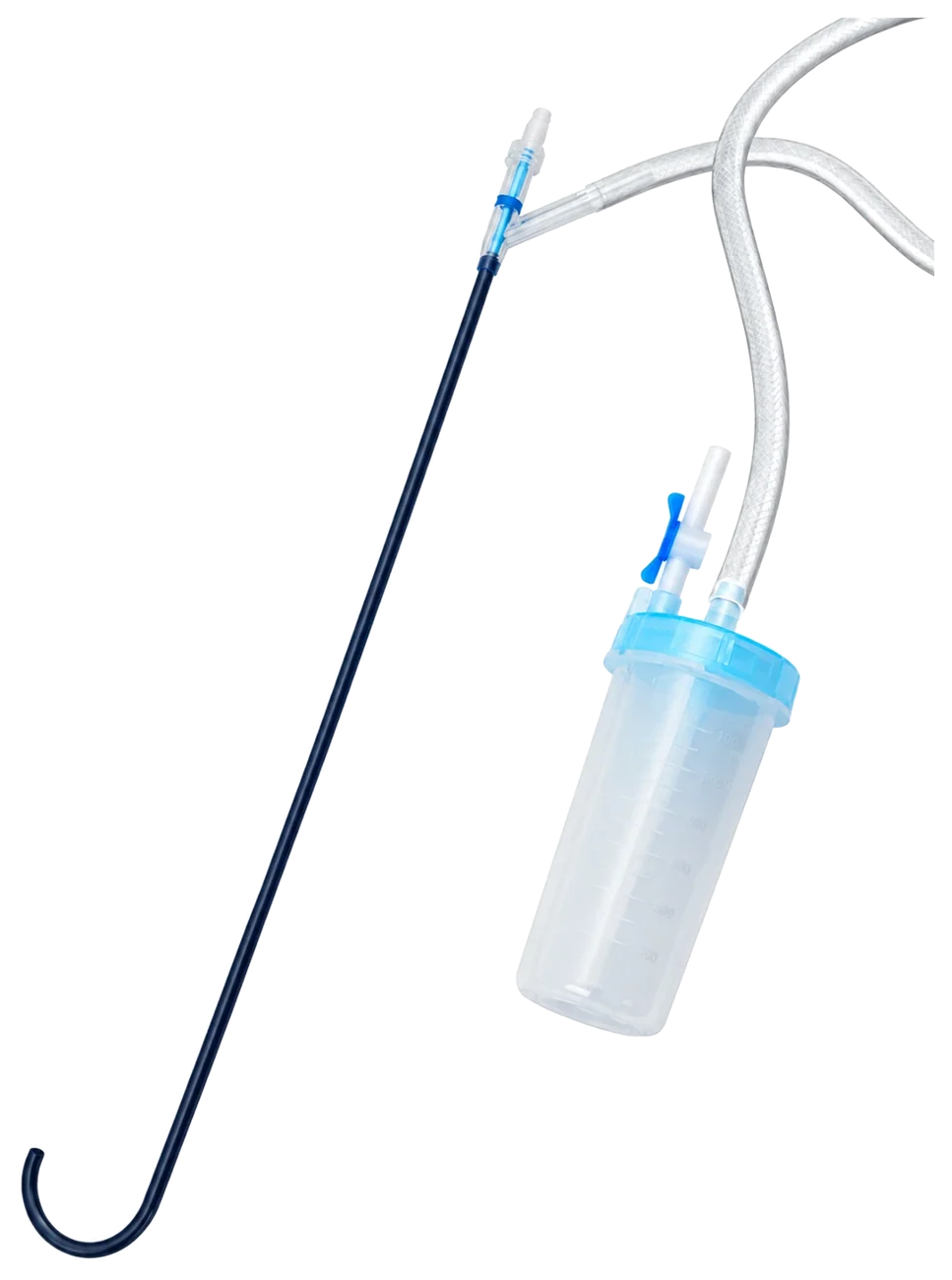
An access sheath with suction built in, in 8.5 Fr and 10 Fr, each in 40 cm and 50 cm. The distal end bends under the control of the flexible ureteroscope, a lateral suction hole opens and closes to control intraluminal pressure, and aspirated fragments are caught in a filter rather than lost down the suction line.
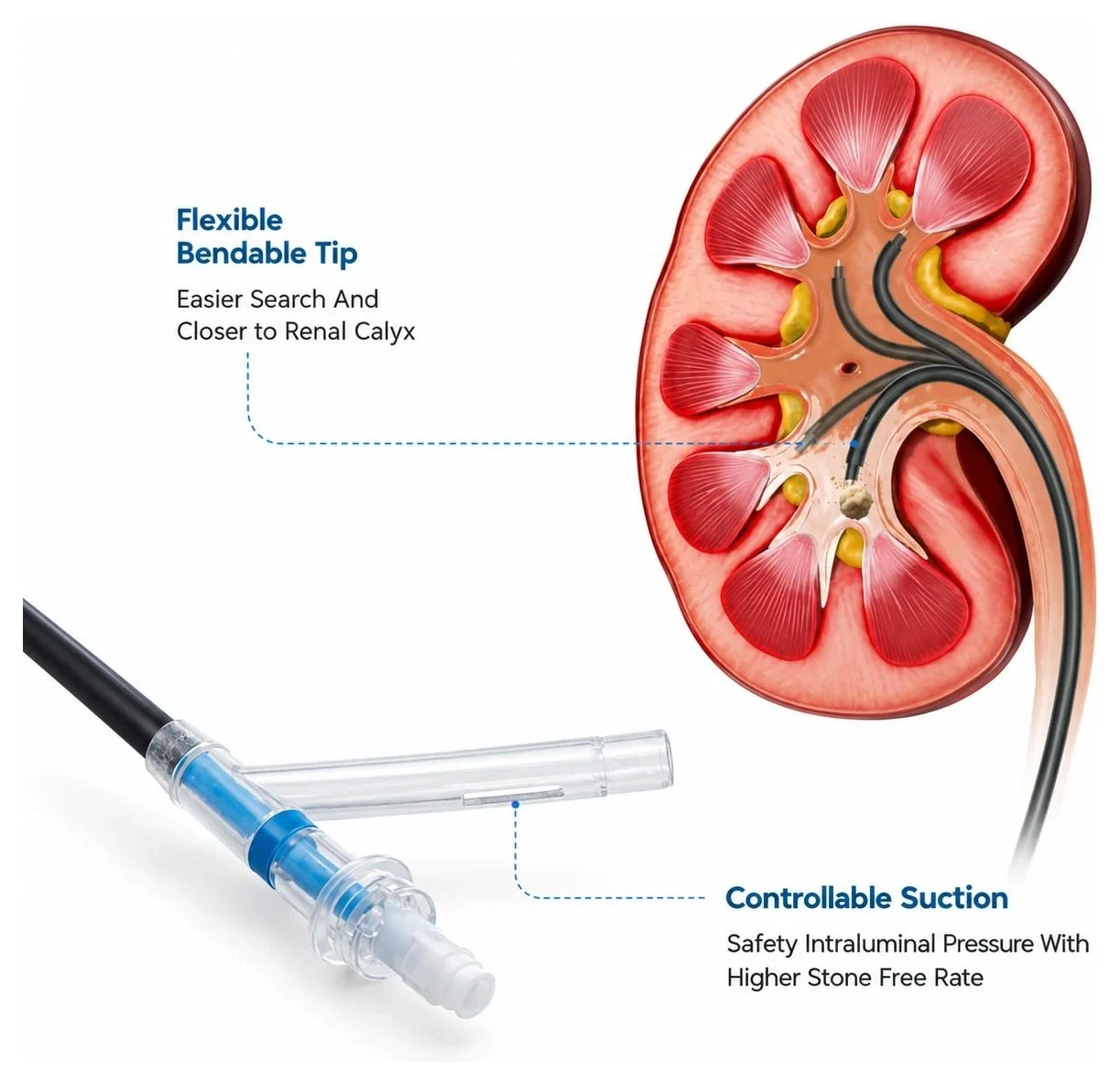
The sheath in use
Manufacturer footage, supplied by Seplou.
How it is built
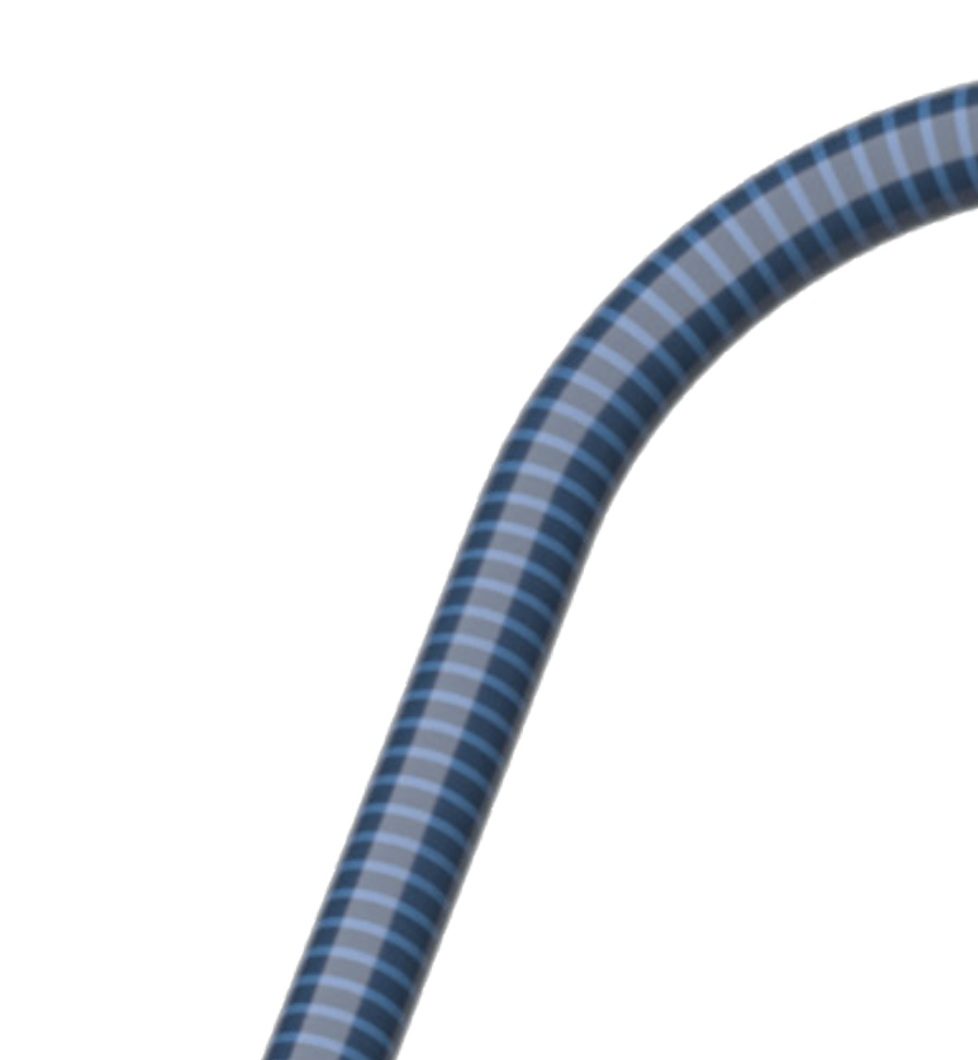
Flexible bendable tip
The distal end bends under the control of the flexible ureteroscope, so the sheath follows the scope. The manufacturer positions this as getting closer to the renal calyx.
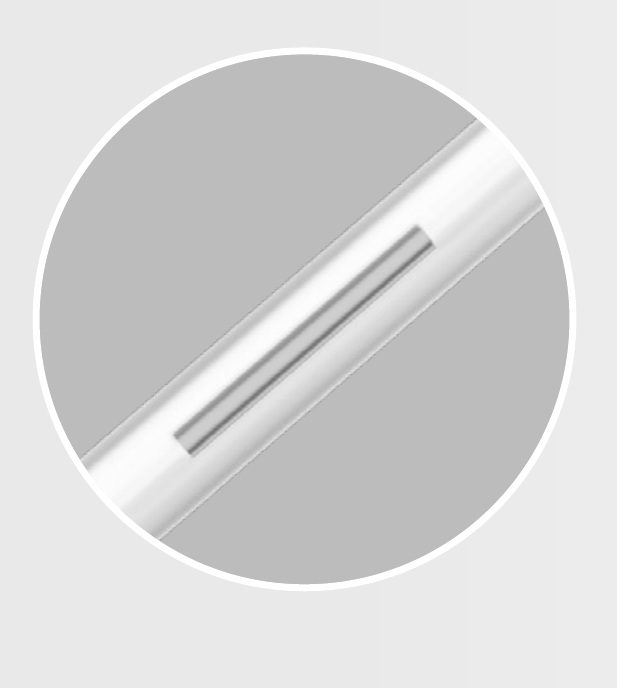
Suction pressure control hole
A lateral hole that opens and closes, to control intraluminal pressure and draw out fragments. The manufacturer frames this as safe pressure with a higher stone free rate.
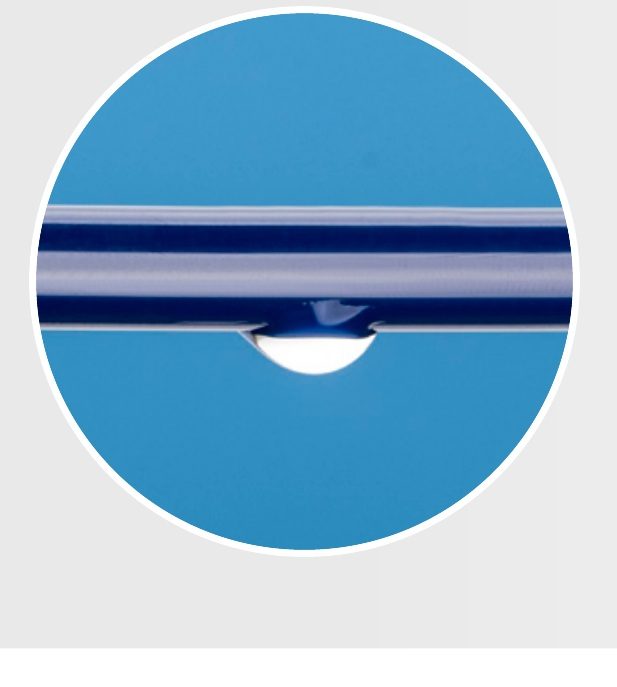
Hydrophilic coating
For ease of insertion. The manufacturer describes the coating as improved for durability across bilateral cases, where one sheath has to go in twice.
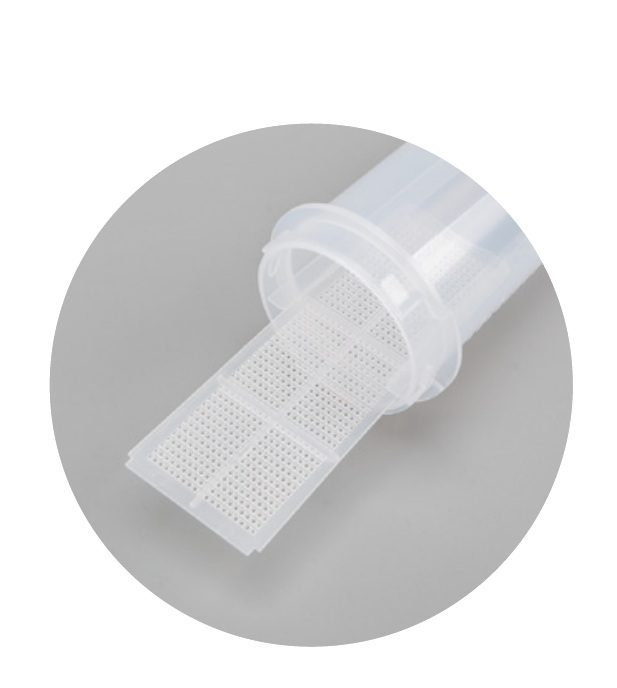
Stone filtration
A filter collects the fragments and stops the suction tube blocking, so what comes out is captured rather than lost down the line.
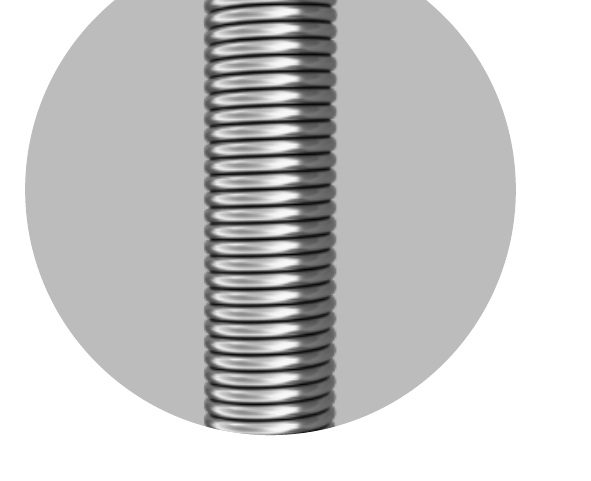
Core reinforced
A patented reinforced coil construction, which the manufacturer describes as optimal flexibility with maximum resistance to kinking and compression.
Sizes
Innovia stocks two sheath sizes, each in two working lengths.
| Sheath | Working lengths |
|---|---|
| 8.5 Fr | 40 cm and 50 cm |
| 10 Fr | 40 cm and 50 cm |
Outer diameters and anything outside this range are available on request.
Request a quoteTalk to us about your list
Tell us your case numbers and which sizes and lengths you want to hold, and we will come back with a quote and the full specifications.
Common questions
What sizes is the bendable suction access sheath available in?
Innovia stocks two sheath sizes, 8.5 Fr and 10 Fr, each in 40 cm and 50 cm working lengths.
How does the suction sheath control intrarenal pressure?
Through a lateral suction pressure control hole that opens and closes, which the manufacturer frames as maintaining safe pressure while drawing out fragments, and positions on a higher stone free rate.
What happens to the stone fragments that are aspirated?
They are caught by a filter in the collection bottle rather than lost down the suction line, which also stops the suction tube blocking.
What does the bendable tip do?
The distal end bends under the control of the flexible ureteroscope, so the sheath follows the scope rather than dictating its path. The manufacturer positions this as getting closer to the renal calyx.